
Master Your Money Through Real Practice
We believe budgeting isn't something you learn from a textbook. It's built through hands-on experience with actual financial scenarios, guidance from people who've managed real household budgets, and time to develop habits that stick. Our six-month program starts September 2025 and gives you space to make mistakes, ask questions, and build confidence with your money.
Start Your Journey
How We Actually Teach This
Most financial courses throw theory at you and wish you luck. We spend six months working through realistic budgeting challenges together, adjusting as you go.
Weekly Practice Sessions
Two hours every Tuesday evening where we work through real budget scenarios. You'll track expenses, adjust categories, and figure out what works for your situation. It's awkward at first—everyone struggles with the first month.
Your Own Budget Project
By week three, you'll start building a budget based on your actual income and expenses. We review it together monthly, troubleshoot problems, and adjust when life throws surprises your way (because it will).
Small Group Support
Groups of eight participants meet between main sessions. Share what's working, what's not, and learn from others managing similar financial pressures. This peer support often matters more than the formal instruction.
What You'll Actually Cover
The curriculum adapts based on where participants struggle most. But here's the framework we typically follow over six months.
Months 1-2: Tracking Reality
Before you can budget, you need to know where money actually goes. We spend eight weeks just tracking every expense and reviewing patterns. Most people discover they spend very differently than they think they do.
Months 3-4: Building Systems
Now we create your budget framework. Fixed expenses, variable categories, irregular costs that hit quarterly. You'll test different methods until you find one that doesn't feel like constant restriction. Sustainability matters more than perfection.
Months 5-6: Handling Disruption
We throw curve balls—unexpected car repairs, medical bills, income changes. How does your budget flex without breaking? This is where you develop the judgment that makes budgeting actually work long-term.
Who Guides This Program
Our facilitators aren't finance professors. They're people who've managed household budgets through job losses, business setbacks, and economic uncertainty. They know what actually works when theory meets real life.
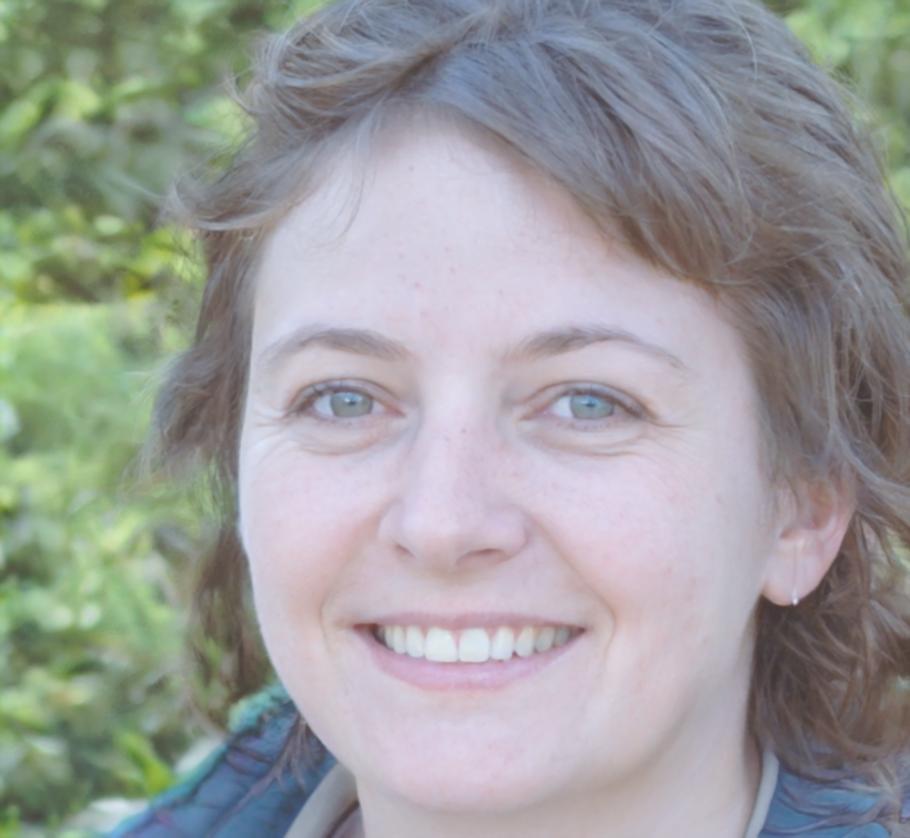
Freja Lindqvist
Lead Facilitator
Freja rebuilt her family's finances after her business closed in 2019. She spent three years developing a budgeting system that survived income fluctuations and two interstate moves. Now she helps others build their own sustainable approaches.
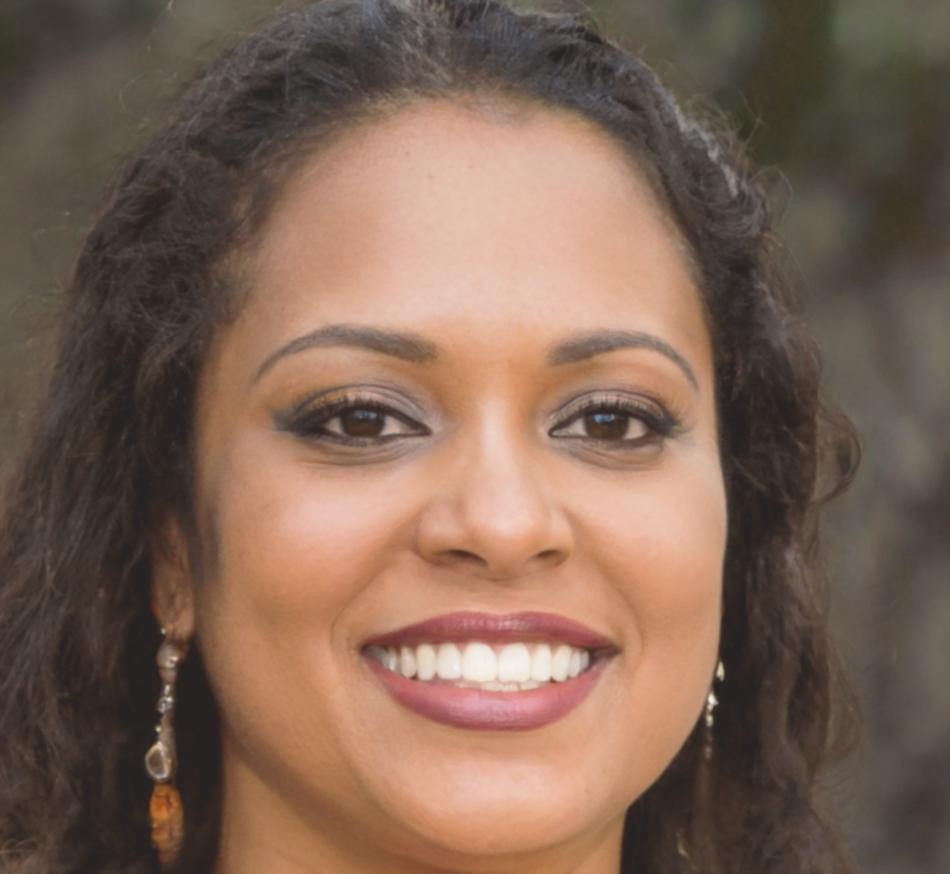
Siobhan Callaghan
Program Coordinator
Siobhan manages the daily operations and keeps everyone on track. She's coordinated twelve program cohorts since 2022 and knows exactly where participants typically get stuck. Her background is project management, which turns out to be surprisingly useful for teaching budget discipline.
September 2025 Cohort Opens June
We take 32 participants per cohort and typically fill within three weeks. If you want to develop practical budgeting skills through real experience rather than just reading about financial theory, get in touch early. Next program runs September through February 2026.
Contact Us About Enrollment